

Purchasing used hybrid cars can be a smart financial and environmental decision, combining fuel efficiency with modern technology. However, it requires a bit more attention than buying a regular vehicle due to its electric components and dual power systems. Are you considering purchasing a pre-owned hybrid vehicle but uncertain about what to examine first? Keep reading this guide to learn the key factors that determine whether a used hybrid is truly worth your investment. From assessing battery condition to understanding maintenance records, these tips will ensure you make a confident and informed choice.
Evaluate the Battery Health

The most crucial part of any hybrid car is its battery pack. Over time, battery performance naturally declines, affecting fuel economy and overall efficiency. Before making a purchase, ask for a detailed battery health report or diagnostic record from a certified mechanic or dealership. Many hybrid models include manufacturer warranties that last between eight to ten years, which can save you significant costs if the vehicle is still covered. Replacing a hybrid battery can be expensive, so understanding its condition beforehand is vital. If the seller hesitates to provide a report, consider it a sign to proceed carefully.
Check the Service and Maintenance History
A hybrid car’s service history reveals how well it has been maintained and whether it has received timely service. Look for consistent records showing regular oil changes, brake inspections, and software updates. Hybrid vehicles rely on a combination of mechanical and electronic systems, so proper servicing ensures both remain in good working condition. Review whether any major repairs have been made, especially those involving the inverter or hybrid control unit. A clean, detailed maintenance log reflects a responsible owner and reduces the risk of unpleasant surprises after purchase. When possible, have a trusted technician verify that the car’s service records align with its mileage and overall condition.
Inspect the Braking System and Tires
Hybrid cars often use regenerative braking, a system that recovers energy during deceleration. While this technology reduces wear on brake pads, it can sometimes cause uneven braking if not properly maintained. Test brakes during the test drive to confirm smooth and consistent performance. Listen for unusual vibrations or noises, which might signal underlying issues. Additionally, inspect the tires for even tread wear. Uneven patterns may indicate alignment problems or suspension issues. A car that has been driven carefully and appropriately maintained will typically display even tire wear and responsive braking performance.
Examine Fuel Economy and Driving Range

One of the biggest reasons people choose hybrid vehicles is their impressive fuel efficiency. However, the advertised miles per gallon (MPG) may vary depending on the car’s age, condition, and previous driving habits. Compare the car’s current performance against its original EPA rating to gauge whether it still operates efficiently. A noticeable drop in mileage may indicate battery degradation or mechanical problems. During your test drive, observe how smoothly the car switches between electric and gasoline modes. A well-functioning hybrid should transition seamlessly, without noticeable jerks or delays.
Verify Warranty Coverage and Replacement Costs
Before completing your purchase, check if any original warranties are still in effect. Some manufacturers offer separate warranties for hybrid components, covering items like the electric motor or power control unit. These can be a significant advantage, saving you money in the event of future repairs. If the warranty has expired, inquire about extended coverage options or battery replacement programs. It’s also wise to research local service centers familiar with hybrid systems, as specialized knowledge may be required for maintenance. Taking time to verify warranty details helps you avoid unexpected expenses later on and provides additional peace of mind.
Buying a used hybrid car can be a wise and rewarding decision if approached with careful evaluation. By focusing on battery health, maintenance history, braking systems, fuel economy, and warranty coverage, you can identify a vehicle that delivers both performance and value. Hybrid cars continue to …
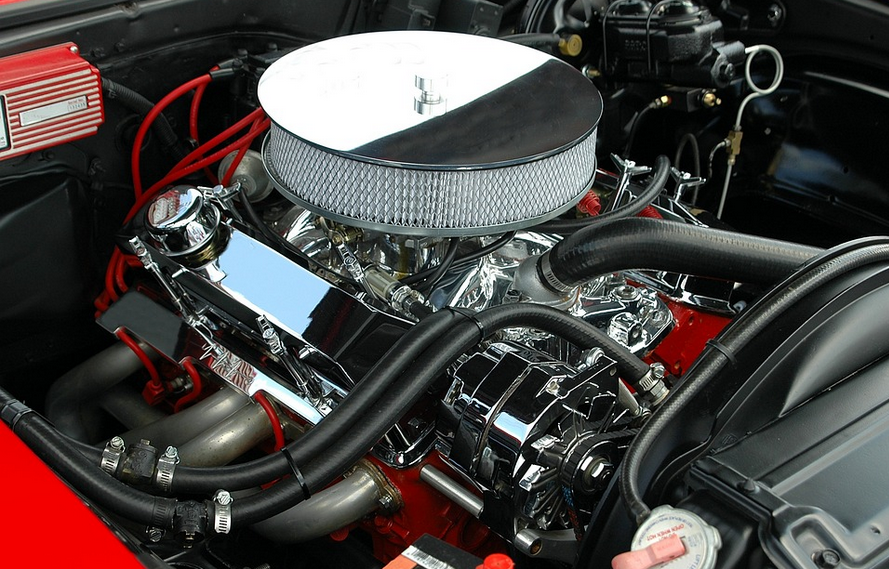
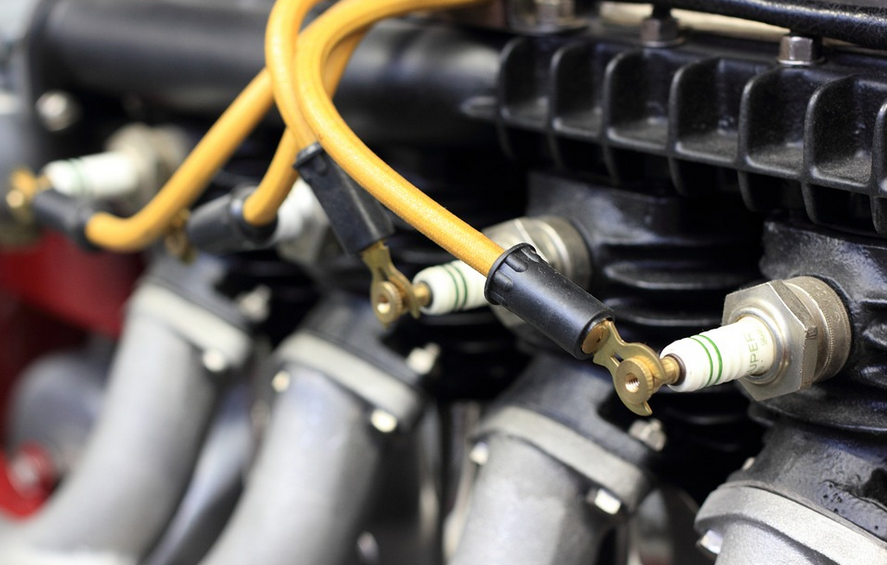 An engine misfire is one of the most common issues that car owners experience. This occurs when one or more cylinders in your engine fail to ignite properly, resulting in a rough-running engine and a loss of power. There are several possible causes for an engine misfire. It could be due to worn-out spark plugs, leading to a weak or inconsistent spark. Another culprit could be a faulty ignition coil, which generates the high voltage needed to create the spark. In some cases, a misfire can also be caused by problems with the fuel system. For example, if there’s a clogged fuel injector or insufficient fuel pressure, it can disrupt the proper combustion process.
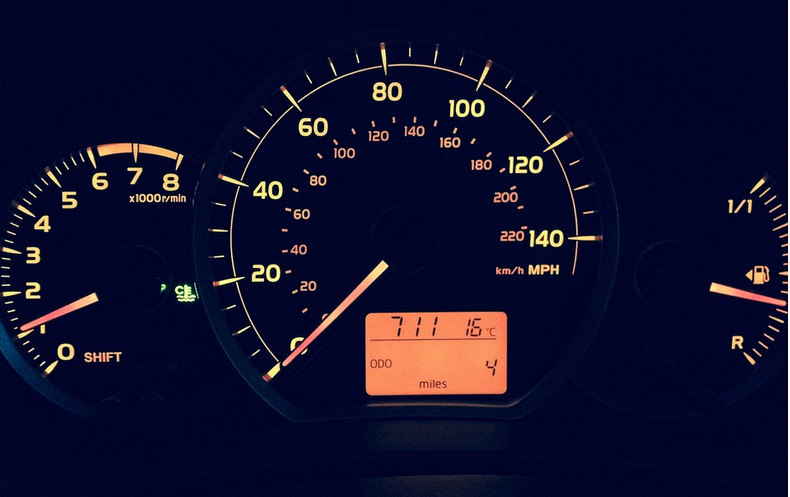 One of the most frustrating engine issues drivers experience is difficulty starting their vehicle. Whether it’s a slow crank, no response at all, or frequent stalling after starting, these problems can be a major inconvenience. While there are several potential causes for starting problems, one common culprit is a faulty ignition system. The ignition system is crucial in getting your engine up and running smoothly. If any component within this system malfunctions, it can lead to starting issues. One possibility is a worn-out spark plug or ignition coil that fails to generate the necessary spark to ignite the fuel-air mixture in the cylinders.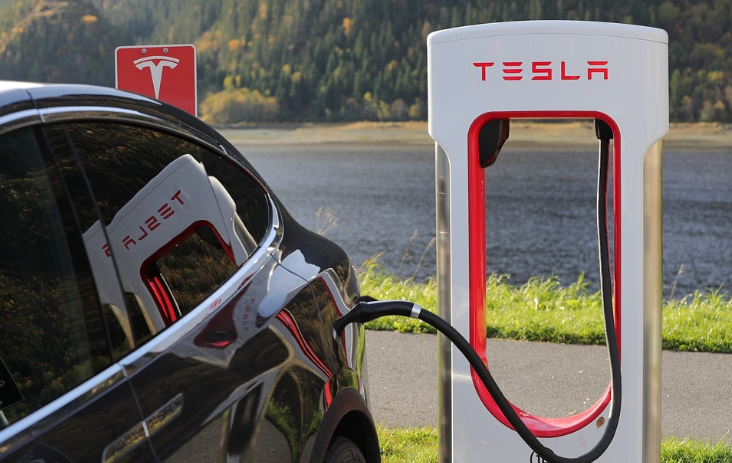
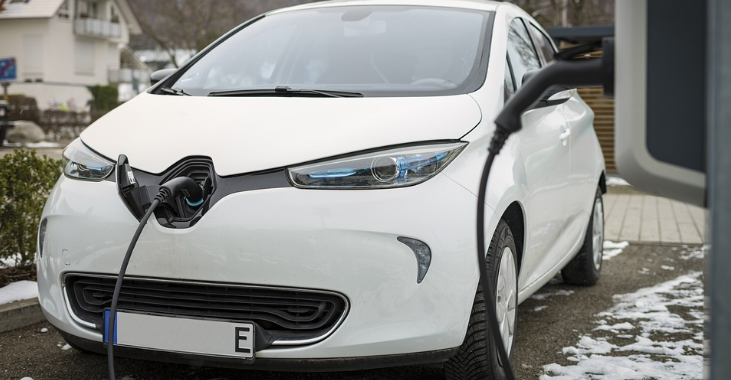 As mentioned, electric cars are cheaper to operate and maintain than gas cars. However, it would help if you considered the cost of charging your car. If you live in an urban area with easy access to EV chargers, then this shouldn’t be a problem. However, if you live in a rural area, you might have to install a charger at home, which can be costly. You should also consider the cost of charging when you’re on the road. Many public chargers require a membership fee, so you’ll need to factor that in.